
Cabri G2 vs Robinson R22/R44 — which should you train on?
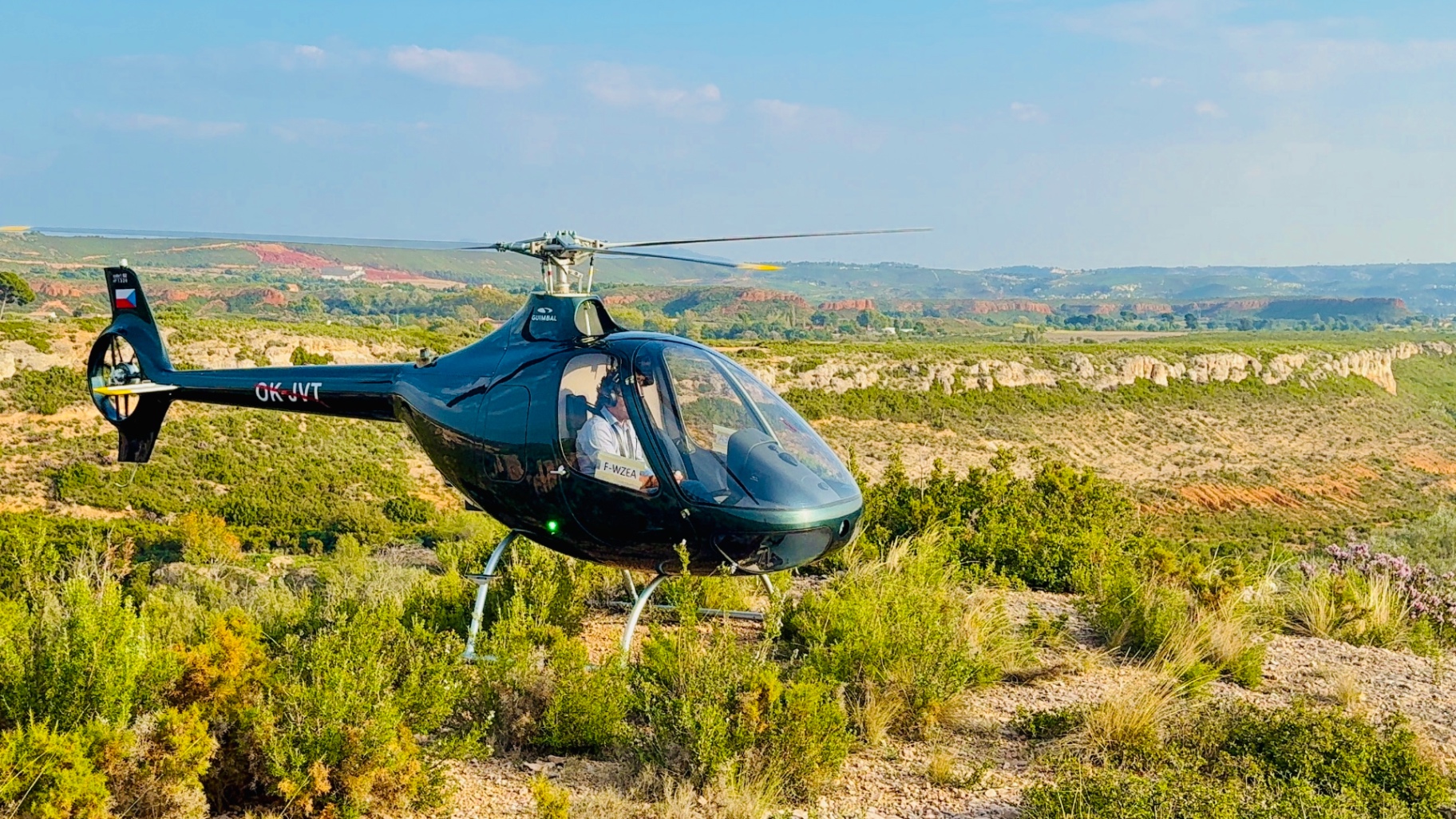
One of the most common questions we hear from future pilots. The Robinsons defined light helicopter training for decades; the Cabri G2 was designed in the 21st century to fix their known weaknesses. Here is how they compare for a PPL(H) student.
Safety by design
The Robinsons are proven machines, but their exposed tail rotor, low-G handling and teetering rotor have driven decades of airworthiness directives. The Cabri G2 was engineered by former Eurocopter designer Bruno Guimbal to remove those risks.
Fenestron shrouded tail rotor
Removes the single largest source of fatal ground accidents in piston trainers. It is also quieter and safer when working close to obstacles.
No low-G mast bumping
The Cabri's 3-blade articulated rotor is immune to the low-G mast bumping that has driven multiple airworthiness directives on the R22 and R44.
Composite cabin and crashworthy fuel
An energy-absorbing composite structure and crash-resistant fuel system meet modern standards that the older Robinson designs were never built to.
Handling and feel
Each of the three machines teaches something different. The right choice depends on whether you want to master the basics quickly, or prepare straight away for modern turbine helicopters.
Cabri G2
Heavier, turbine-like handling and more stable autorotation. Electronic Pilot Monitor teach the student to manage the engine like a turbine machine from day one.
Robinson R22
Nimble, very light and demanding on precision. Excellent for teaching coordination, but it punishes mistakes faster and usually takes more hours to master the basics.
Robinson R44
More stable and heavier than the R22, with four seats. Less sensitive for beginners, but larger and more expensive. Most often used after the PPL(H) for time-building or private flying.
Real training cost
The R22's hourly rate looks lowest, but the total PPL(H) bill depends on much more: block rounding, fuel burn, maintenance and damage costs. The Cabri G2 with per-minute billing and a more modern airframe often comes out best.
Per-minute billing at Lionheli
For Cabri G2 training you pay only for the actual time in the air, not rounded blocks. A 47-minute lesson costs 47 minutes. Over a full PPL(H) course this saves tens of thousands of crowns.
Fewer surprises
The Cabri G2's modern certification means more predictable maintenance, a longer airframe life and lower risk of damage from typical student mistakes. Older designs often bring extra AD compliance and repair costs.
Which machine for which student?
Cabri G2
Best choice for PPL(H) and basic training. Safer, modern avionics, predictable maintenance and direct preparation for turbine types. Ideal for students who want a solid foundation.
Robinson R22
Only makes sense if no Cabri is available and the hourly rate is the absolute priority. Still a proven trainer, but it demands more attention and discipline from a beginner.
Robinson R44
Ideal for private owners who need four seats, or for time-building after the PPL(H). As a first trainer it is more expensive and less efficient than the Cabri G2.
FAQ
What students ask most
Is the Cabri G2 harder to fly than the R22?
Does it make sense to train straight on the R44?
Which helicopter is cheapest for a full PPL(H) course?
Do employers care which trainer I used?
Can I do my PPL(H) on the R22 and then move to the Cabri?
Choose the training path that makes sense
At LionHeli we operate the largest Guimbal Cabri G2 fleet in the Czech Republic and bill training by the minute. Come and see us, sit in the cockpit and we'll agree the best route to your PPL(H).